Sebeya River: From Lifeline to Source of Suffering

Once a vital resource for the communities it flows through, Rwanda’s Sebeya River is now a symbol of environmental degradation and human hardship. Stretching from its source in Bambiro Village, Rutagara Cell, Muhanda Sector in Ngororero District, the river serves as a natural boundary between Ngororero and Rutsiro districts. As Rwanda’s second-largest river after Nyabarongo, Sebeya has long been a lifeline—until human activity turned it into a growing threat.
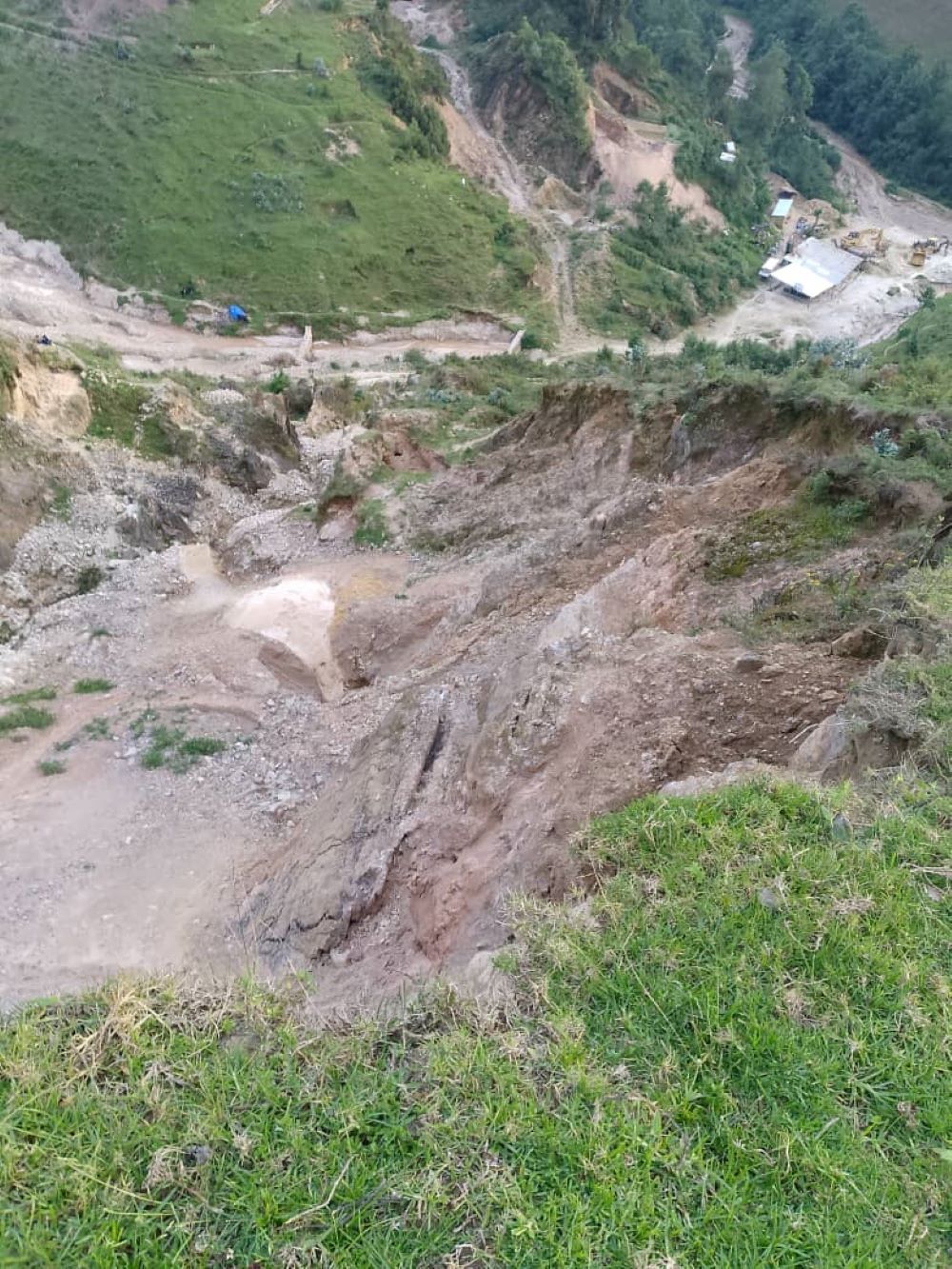
The transformation of Sebeya River from a source of life to a source of suffering is largely attributed to unregulated and irresponsible mining. Once a provider of clean water, fertile land, and food security, the river now brings landslides, floods, disease, and displacement.
According to investigations by the Rwanda Environmental Journalists (REJ), intense mining activity—especially for minerals such as coltan, cassiterite, lithium, and construction sand—has severely damaged the environment. Mining equipment causes tremors that destabilize riverbanks, while waste runoff has polluted the water.
“The water we drink is muddy and yellowish. We suffer from parasitic infections like diarrhea,” said Mukamana Donatha, a local resident. “Our land is destroyed by heavy mining equipment.”
During heavy rains, the river routinely overflows, sweeping away homes, crops, and even lives. Roads are blocked, livelihoods disrupted, and the health of residents endangered. Frustrated and fearful, residents are calling on authorities to act. “Mining can be done without endangering our lives. We ask the government to help protect Sebeya,” pleaded Nyiraneza, another local.
While community voices grow louder, local authorities acknowledge the problem. Discussions are reportedly underway among mining companies, local officials, and residents to find long-term solutions.
Ironically, the very entities entrusted with managing the river’s resources are now contributing to its destruction. Mining companies cite the high value of minerals in Sebeya as justification for ongoing extraction. Yet, with each scoop of earth, the river’s ability to support life diminishes.
Sebeya River flows through four Western Province districts—Ngororero, Rutsiro, Nyabihu, and Rubavu—affecting them all. As its natural course is disrupted, new and often dangerous channels form, causing frequent flooding during the rainy season.
When approached for comment, a mining investor known as Amiel Mpendahende aka Shuni deflected responsibility: “I am just an investor. I have staff responsible for operations—you should talk to them.” He later referred ourthis reporter to a contact named Jovite but failed to provide further information or respond to follow-up calls.
“The river has changed course because of environmental damage. Water doesn’t wait for permission—it flows and destroys everything in its path,” said resident Kagabo.
Ngororero District Mayor, Christophe Nkusi, clarified that local government only approves mining activities after verifying licenses issued by the Rwanda Mines, Petroleum and Gas Board (RMB). “If a miner lacks proper documentation, we send them back. The RMB is responsible for licensing, and violations can lead to revocation,” he said. He added that district-level mining officers are tasked with monitoring activities to ensure legal and environmental compliance.
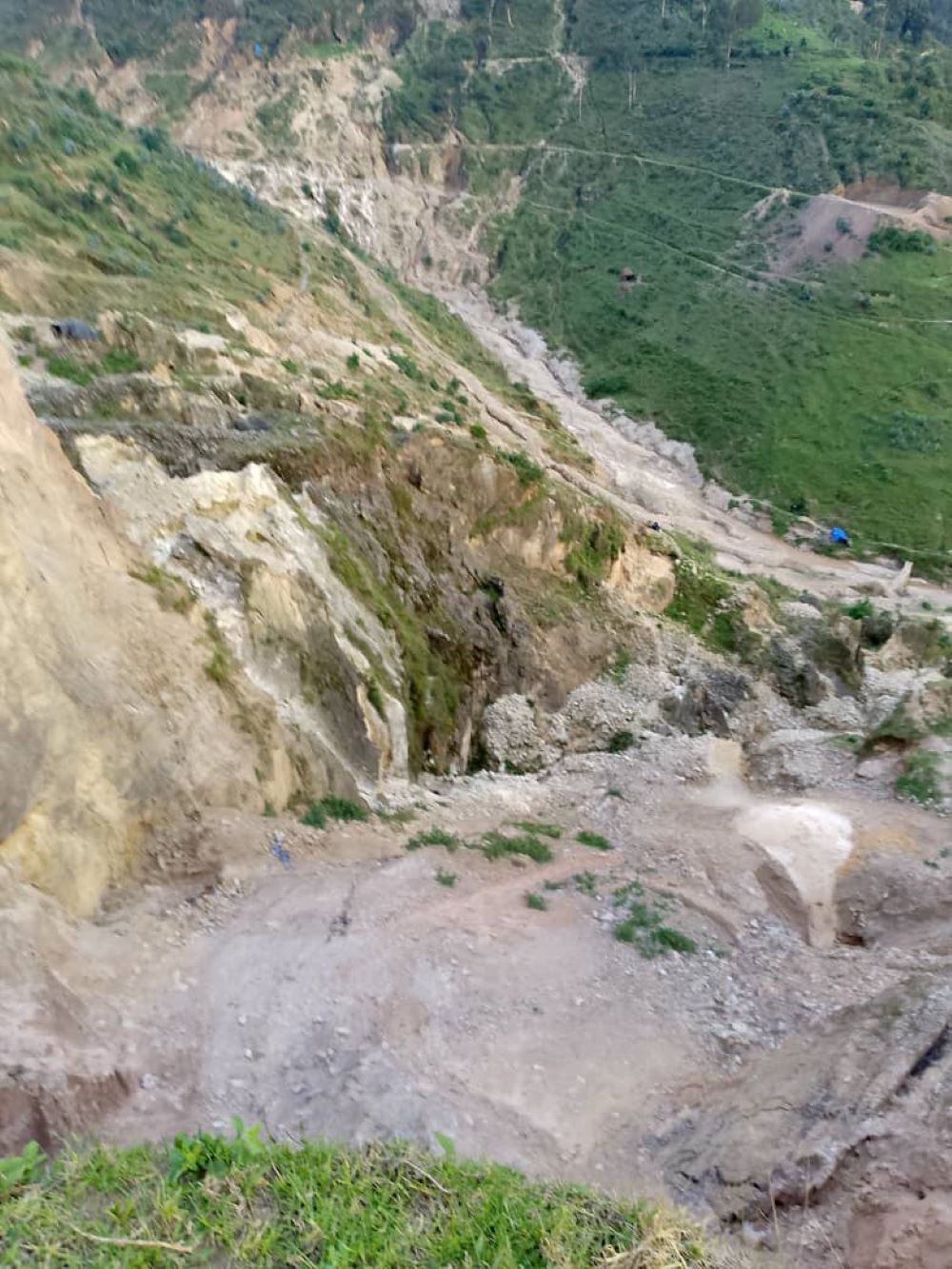
Francis Kamanzi, Director General of the RMB, emphasized that mining operations are legally required to restore environmental damage. This includes refilling pits, replanting trees, and dismantling temporary structures. Non-compliance can result in fines ranging from 3 to 5 million Rwandan francs, alongside mandatory site rehabilitation. Despite these regulations, many miners fail to fulfill their obligations, leaving behind hazardous pits and barren land—further exposing communities to environmental disasters.
The Sebeya River, which begins in the highlands of Gishwati, passes through sectors like Kanama, Nyundo, and Rugerero before emptying into Lake Kivu. Historically, it has played a vital role in the lives of the people living along its banks.
“During the dry season, I rely on Sebeya to irrigate my vegetables. In the rainy season, I fight to protect my crops from erosion,” said Nyiraneza Alphonsine of Nyundo Sector.
“For my livestock, Sebeya is everything. The river is like the bloodstream of this land—it keeps it alive,” added Habimana Jean Paul from Buhaza Village.
Sebeya River remains a crucial natural resource. But without stronger regulation and responsible management, it risks becoming a permanent threat to the very communities that depend on it. The future of the Sebeya—and those who live by its banks—depends on immediate, coordinated action to restore its health and protect its legacy.
By: Leon NKUSI