People with Skin Disabilities Are Most Affected by Climate Change
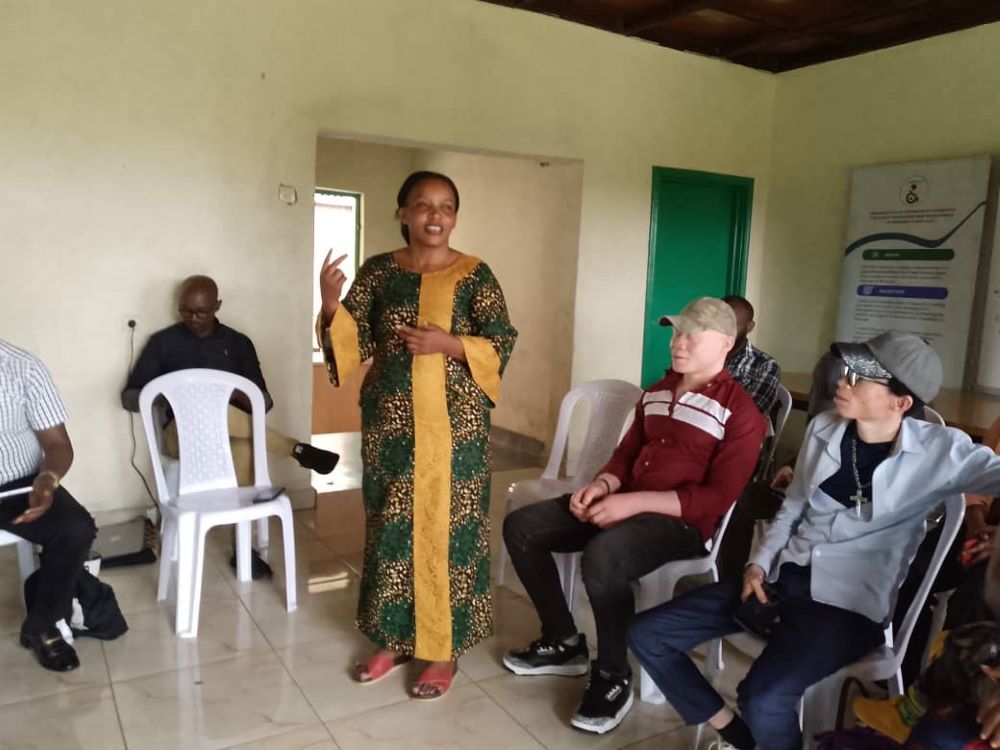
During a three-day training organized by the Association of Environmental Journalists (REJ) in collaboration with FOJO, journalists enhanced their skills in investigating and reporting on environmental issues and climate change.
This association was founded by professional journalists who recognized a gap in environmental reporting. Through such initiatives, REJ continues to strengthen journalists’ capacities so they can provide information that helps the public understand their role in protecting the environment.
Although it is widely acknowledged that the environment needs protection, more efforts are required to ensure that everyone—from children to adults—understands its importance for their well-being. The air we breathe, the water we use, and other living resources all depend on a healthy environment.
Eugene Hagabimana, a lecturer in journalism at the University of Rwanda, urged journalists to adhere to journalistic principles, emphasizing that news should be reported freely without harming anyone. He reminded them that environmental issues concern everyone, and therefore, related reports should be carefully prepared to help people understand the impact of climate change and adopt appropriate measures.
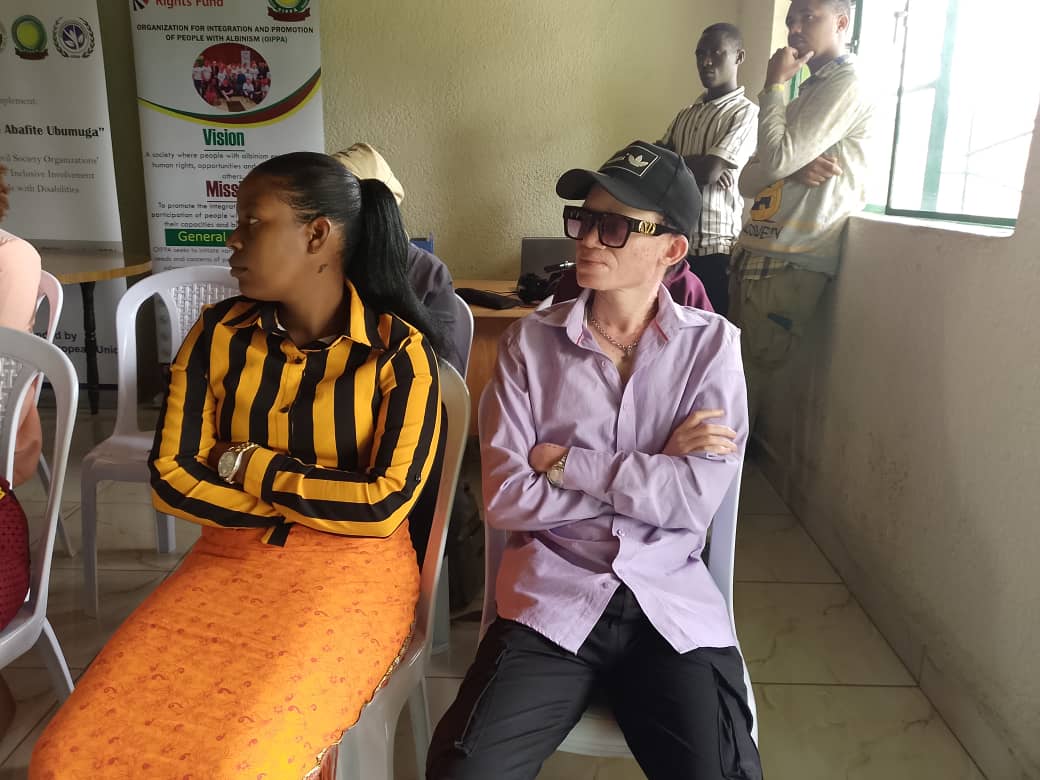
Dr. Nicodem, head of OIPPA, an organization that supports people with skin disabilities, highlighted the challenges they face. He explained that such individuals are often marginalized, given derogatory names, and suffer from severe pain during strong sunlight. Due to their sensitivity to the sun, some experience bleeding on their skin or difficulty breathing in extreme heat.
Although the Rwandan government has made efforts to provide protective creams for people with skin disabilities, challenges remain, as these measures are insufficient to reach everyone in need.
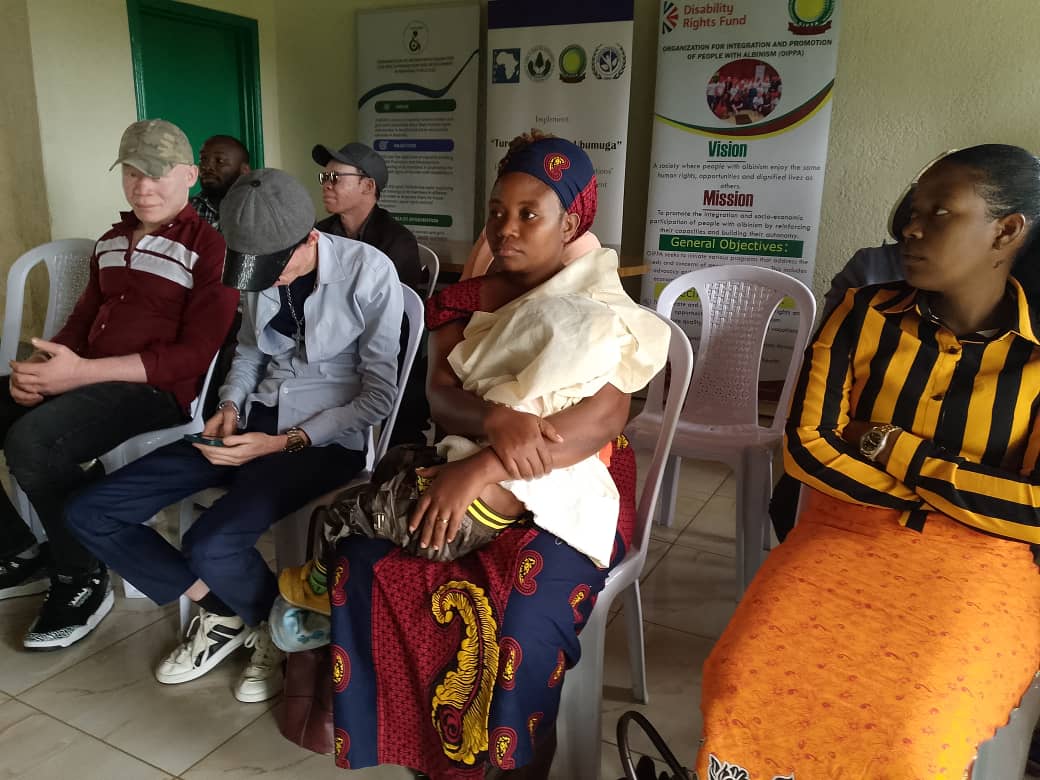
People with skin disabilities also face everyday challenges, particularly when trying to establish families. Patrick Mazimpaka, who has a skin disability, shared how he was repeatedly rejected by women because of his condition, which at one point led him to decide not to pursue marriage. However, over time he met a woman who accepted him, and they now have two children without skin disabilities.
Daddy Sadiki Rubangura, director of REJ, encouraged journalists to use media as a tool to fight the marginalization of people with skin disabilities and advocate for their rights. He emphasized that media has the power to improve their lives by portraying them as valued members of society, equal to others.
By: Alex RUKUNDO