Biotech Crops: A Sustainable Solution to Rwanda’s Food Security Challenge
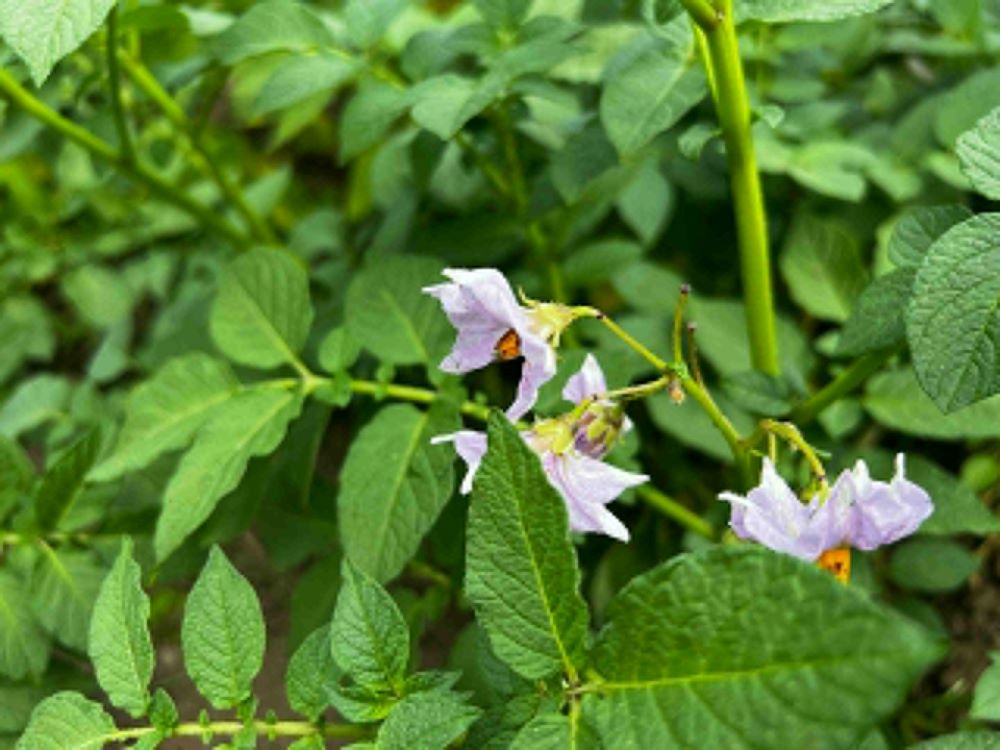
As the world’s population continues to grow while arable land remains unchanged, the planet is seeking solutions to ensure food security for all. Among the key focus areas is the modernization of agricultural practices through technology, which includes enhancing crop resilience to diseases and climate change, thereby producing higher yields of quality produce for the market. This progress is largely driven by genetically modified organisms (GMOs).
In this context, on June 3, 2025, the OFAB (Open Forum on Agricultural Biotechnology in Africa) project launched a six-day training program attended by farmers, journalists, and other stakeholders to raise awareness about science-based agriculture, particularly biotech crops.
Guillaume Ndizeye, a farmer from Kirehe District who cultivates bananas, avocados, and tomatoes, expressed his readiness to start engaging with biotech potatoes after gaining a better understanding of the technology.
He said, “What excites me is that these potatoes produce high yields and are easy to grow. They require fewer pesticides, so farmers can expand their markets and increase profits.”
Agricultural researchers indicate that these genetically modified potatoes yield up to 40 tons per hectare compared to 20 tons from conventional varieties—double the amount. This convinced Alexis Nyandwi, an agricultural analyst on social media, that this technology is timely and deserves attention.
“Some still doubt this technology, fearing potential negative effects, but it is a scientifically proven and reliable method that offers solutions for both individual farmers and the country.”
Pacifique Nshimiyimana, head of the Alliance for Science Rwanda, noted that this technology will reduce the hardships that farmers often face.
He explained, “Potato farmers, especially in the Northern Province, used to spend significant amounts of money on pesticides and labor. Currently, a farm laborer earns between 1000 and 1500 Rwandan francs per day. Reducing these costs is a major benefit.”
He added that there were times when pesticides were slow to act, and diseases attacking potatoes in the field caused severe losses. These farmers will greatly benefit from planting seeds that are resistant to such diseases.
Nshimiyimana also highlighted that excessive use of pesticides harmed important environmental organisms such as soil microbes and bees.
He said, “Many beekeepers, particularly in the North, have reported losing bees due to pesticides sprayed on crops. This new seed variety will help reduce such problems.”
Dr. Athanase Nduwumuremyi, a researcher at Rwanda Agriculture Board (RAB) and the OFAB project coordinator in Rwanda, said this approach has been monitored for four years and that within two years, the approved seeds will be available to farmers.
He explained, “There are processes to follow; it’s not simply about distributing seeds as requested. We will conduct trials with a few selected farmers to develop seeds that can be distributed widely.”
Although Rwanda has not yet reached its 10-year commitment made in Maputo to allocate 10% of its budget to agriculture, progress is being made. Efforts to enhance crops commonly consumed, such as cassava, maize, and potatoes, demonstrate that the country is actively pursuing sustainable solutions.