IMRO Trains Civil Society on Accurate Reporting of Reproductive Health and Safe Abortion
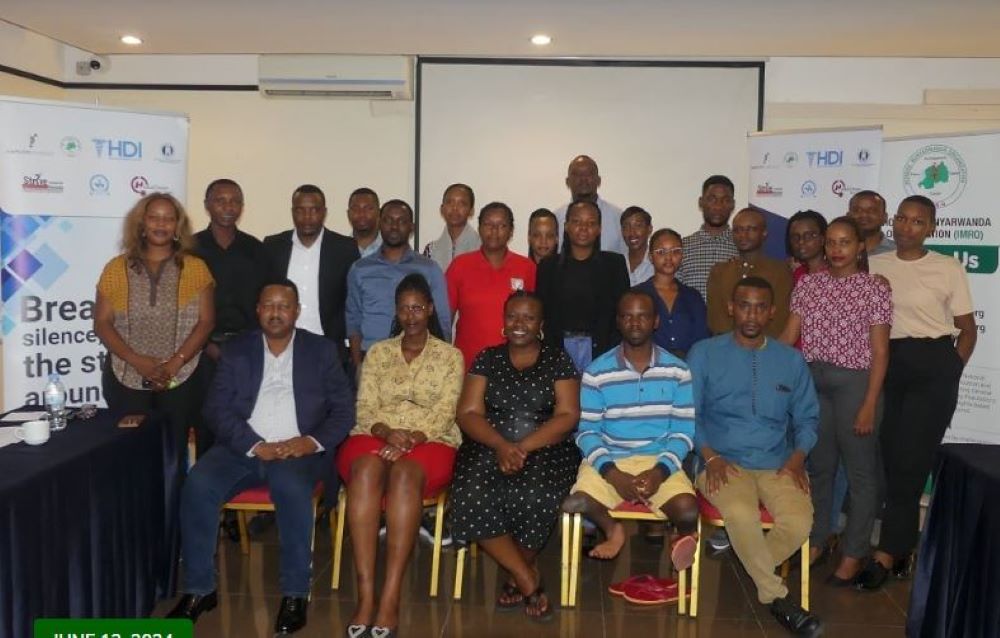
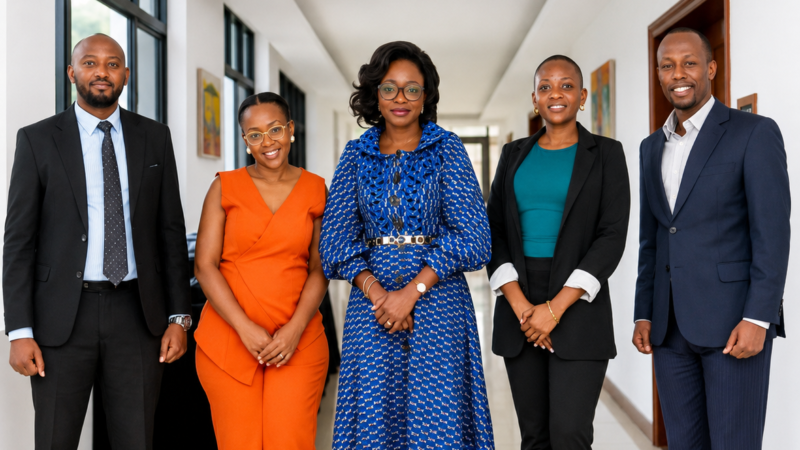
The non-governmental organization Ihorere Munyarwanda Organisation (IMRO), which advocates for human rights with a focus on reproductive health and HIV prevention, organized a training session for members of Civil Society Organizations (CSOs), especially those involved in communications and public outreach.
The training aimed to equip participants with skills to provide accurate and responsible information, particularly on issues related to reproductive health and safe, legal abortion.
Denyse Uwizeye, a staff member at IMRO and one of the training organizers, said that IMRO’s mission is to promote health and well-being. She emphasized the critical role civil society plays in disseminating reproductive health information and promoting family planning, enabling people to have children by choice and with the means to care for them.
She noted, “As civil society organizations, which act as the voice of the people, we can influence public perception. If we are going to share information on reproductive health and safe abortion, it must be accurate and shared in a way that prevents it from being misinterpreted as rumor or misinformation.”
Uwizeye stressed that when civil society communicates clearly and effectively, it plays a key role in shaping mindsets and helping communities access services and understand their rights.
One of the participants, Ishimwe Gilbert from Kabarondo Ngwino Mwana—a local NGO based in Kayonza District that supports teenage mothers—praised the training provided by IMRO.
He said, “This training was very useful. As grassroots organizations working closely with the population, we often lack accurate legal and policy information on reproductive health and abortion. What we’ve learned will help us better inform our beneficiaries about what the law allows and prohibits.”
Gilbert noted that the training clarified several legal grounds under which abortion is permitted in Rwanda without legal consequences. These include:
-
When the pregnancy is a result of rape.
-
When the pregnant person is a child.
-
When the pregnancy results from forced marriage or cohabitation.
-
When the pregnancy is due to incest up to the second degree.
-
When the pregnancy endangers the life or health of the mother or the fetus.
Gilbert said they plan to pass on this knowledge to their beneficiaries, especially those who lack information on reproductive health and abortion. “Some girls get pregnant from rape or at a very young age but keep the pregnancy because they’re unaware that abortion can be legal under certain circumstances. This leads to school dropouts or health complications. This training empowers us to educate them.”
Juliette Karitanyi, a communications expert and women’s rights advocate, also addressed the training. She highlighted ongoing stigma and misconceptions around safe abortion, stressing the importance of public education.
She said, “Some people still don’t understand that safe abortion is a woman’s right. The country has laws to protect women’s health. Civil society has a crucial role in raising awareness and changing mindsets, reaching those who don’t know these laws exist and helping prevent unsafe abortions by encouraging women to seek legal medical services.”
Other topics covered during the training included male sterilization (vasectomy) and the challenges adolescents face in accessing contraceptive services, particularly the requirement for parental accompaniment, which can cause shame or discourage youth from seeking help.
This, the participants noted, may be one of the reasons why Rwanda still sees over 23,000 teenage pregnancies annually.
The training concluded with a call to communication officers in civil society to continue educating the public and decision-makers, to create the necessary changes that will improve the health and well-being of women and children across the country.
Writer by Alex RUKUNDO
Email: rukundoalex 540@gmail.com
Whatsap / Tel: +250 785 404 717